
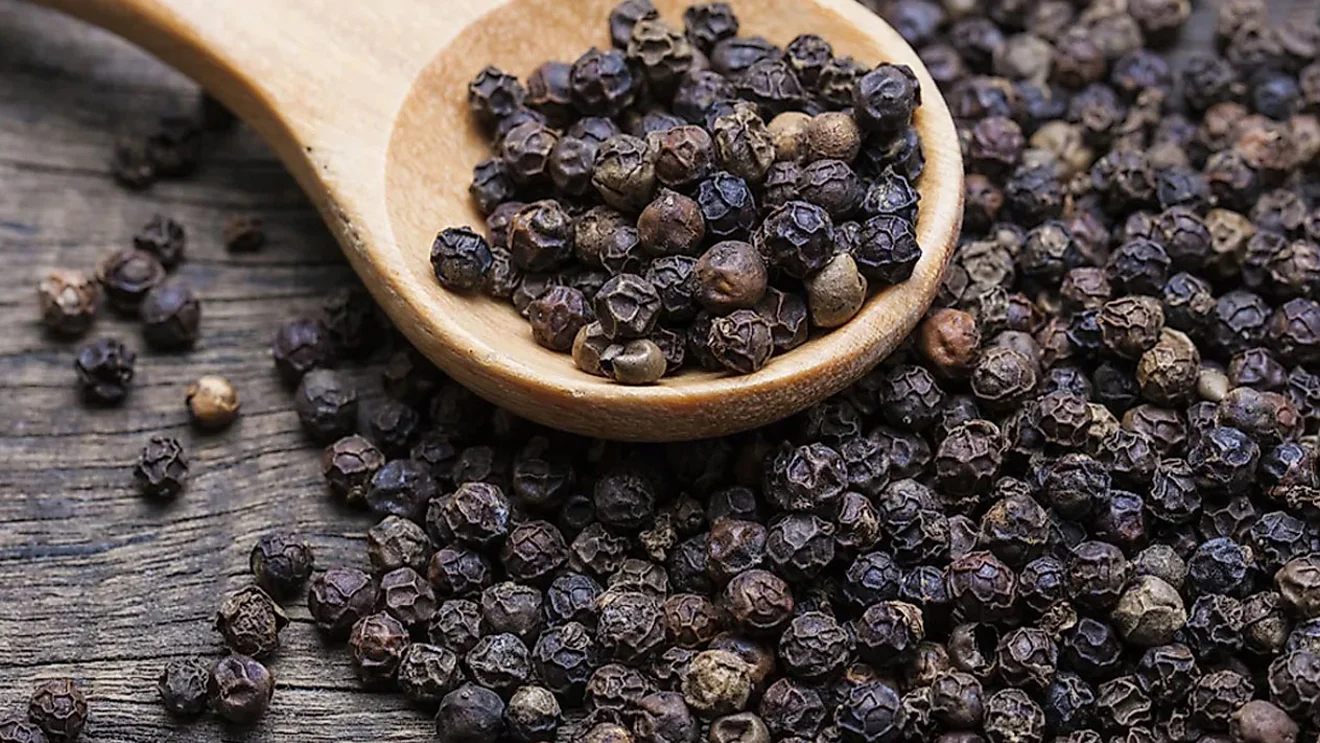
Black pepper, often referred to as the “King of Spices” or “Black Gold,” is one of the most widely used spices in the world. It is derived from the fruit of the Piper nigrum plant, which belongs to the Piperaceae family. Known as kali mirch in Hindi, black pepper is valued not only as a spice but also for its medicinal properties.
The compound piperine, present in black pepper, is responsible for its pungent flavor and numerous health benefits. Native to Kerala in southern India, black pepper has been an important trade commodity since ancient times.
When dried, the fruit becomes what we know as a peppercorn. Due to its antibacterial and anti-inflammatory properties, black pepper has traditionally been used both to preserve food and to support overall health. Its strong and distinct flavor makes it a powerful seasoning, and it is best used in moderation rather than as a substitute for salt.
Nutritional Facts of Black Pepper
Black pepper is a rich source of essential minerals such as manganese, copper, magnesium, calcium, phosphorus, iron, and potassium. It also contains vitamins like riboflavin, vitamin C, vitamin K, and vitamin B6.
In addition, it provides:
- Dietary fiber
- Moderate amounts of protein and carbohydrates
Nutritional value per tablespoon (approx. 6 grams):
- Calories: 15.9
- Carbohydrates: 4.1 g
- Protein: 0.7 g
- Fat: 0 g
- Cholesterol: 0 g
- Sodium: ~3 mg
- Dietary Fiber: ~2 g
It also contributes small percentages of daily vitamin C, calcium, and iron requirements.
Types of Peppercorns
Black pepper, green pepper, and white pepper all come from the same plant (Piper nigrum). Their differences arise from harvesting time and processing methods:
- Black Pepper: Harvested when nearly ripe and dried until dark and wrinkled
- Green Pepper: Picked while still unripe and preserved to retain its green color
- White Pepper: Fully ripe berries with the outer layer removed
Among these, black pepper is the most pungent and flavorful. It is available as whole peppercorns, crushed, or ground into powder.
Health Benefits of Black Pepper
The active compound piperine provides several health benefits due to its antioxidant and antibacterial properties.
1. Improves Digestive Health
Black pepper stimulates digestive enzymes and juices, helping the body break down and absorb food more efficiently. Consuming it with meals can enhance digestion.
2. May Help Prevent Cancer
Studies suggest that piperine may have protective effects against certain types of cancer. It also enhances the absorption of nutrients like selenium, curcumin, beta-carotene, and B vitamins, which are important for overall health.
3. Antibacterial Properties
Black pepper helps fight infections and may protect against harmful bacteria. It has traditionally been used to preserve food due to its natural antibacterial qualities.
4. Supports Heart Health
Pepper may help reduce cholesterol buildup in arteries, lowering the risk of conditions like atherosclerosis, heart attack, and stroke.
5. Anti-Inflammatory Effects
Its anti-inflammatory properties can help reduce inflammation in the body, contributing to better overall health.
Conclusion
Black pepper is more than just a spice—it is a powerful natural ingredient with a wide range of health benefits. From improving digestion to supporting heart and immune health, it plays an important role in a balanced diet.
Like black pepper, many Indian spices are rich in medicinal properties. Including them in your daily meals can significantly enhance both flavor and health.